escrito e ilustrado por Paco Mena
publicado en 2023 por abuenpaso
A book about courageous rodents from the South American desert?
I was just as surprised.
There’s a rodent called a vizcacha?
I also was just as surprised.
I’m sharing some living books for your shelves
Today is Atacama, ¿Adónde van las vizcachas?
by Pato Mena from 2023.
We stumble into a family of vizcachas,
a rodent that looks like a mix between short-eared rabbits, furry chincillas, and watchful praire dogs.
They’ve got to be watchful to survive.
There’s danger from: zorros, gatos andinos, aguiluchos, and of course, la lluvia.
This book has short poetic lines,
it’s really the artwork that tells the story here.
It’s a book that’s perfect for the earliest beginner.
These little heroes carry fear but they don’t without anxiety.
The dangers are real dangers — but there’s no melodrama.
The family responds calmly, intelligently, together.
They’re always running.
And like Charlotte Mason and John Senior might appreciate,
this family of vizcachas
is not only surviving int the driest desert in the whole world but standing in wonder.
Las vizcachas son unos simpáticos roedores que viven en el desierto de Atacama y que aman tomar el sol en familia. Están siempre atentas a lo que indica el vizcachón que vela para que todas estén a salvo de los animales y las calamidades que se encuentran en los imponentes paisajes del desierto. Cuando llega la noche, será la más pequeña de la familia la que repare en el regalo que el desierto les ofrece al final del día. Tal como ya hizo en Onsen. ¿Qué hacen los monos?, Pato Mena, jugando con palabras, ilustraciones y pictogramas, cuenta una historia que despertará la curiosidad de todos sus lectores. Además, en esta nueva obra, nos descubre la maravilla y la biodiversidad del desierto de Atacama, los animales que lo habitan, sus colores, sus paisajes y su majestuoso cielo nocturno.
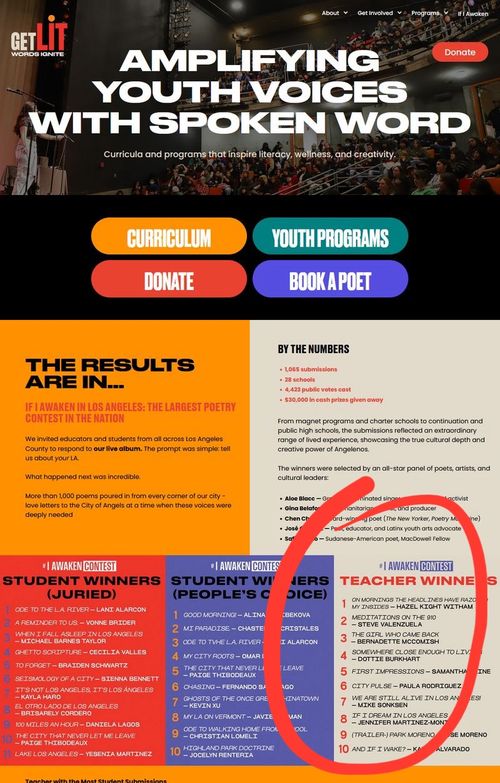
An unexpected opportunity found me at the end of 2025.
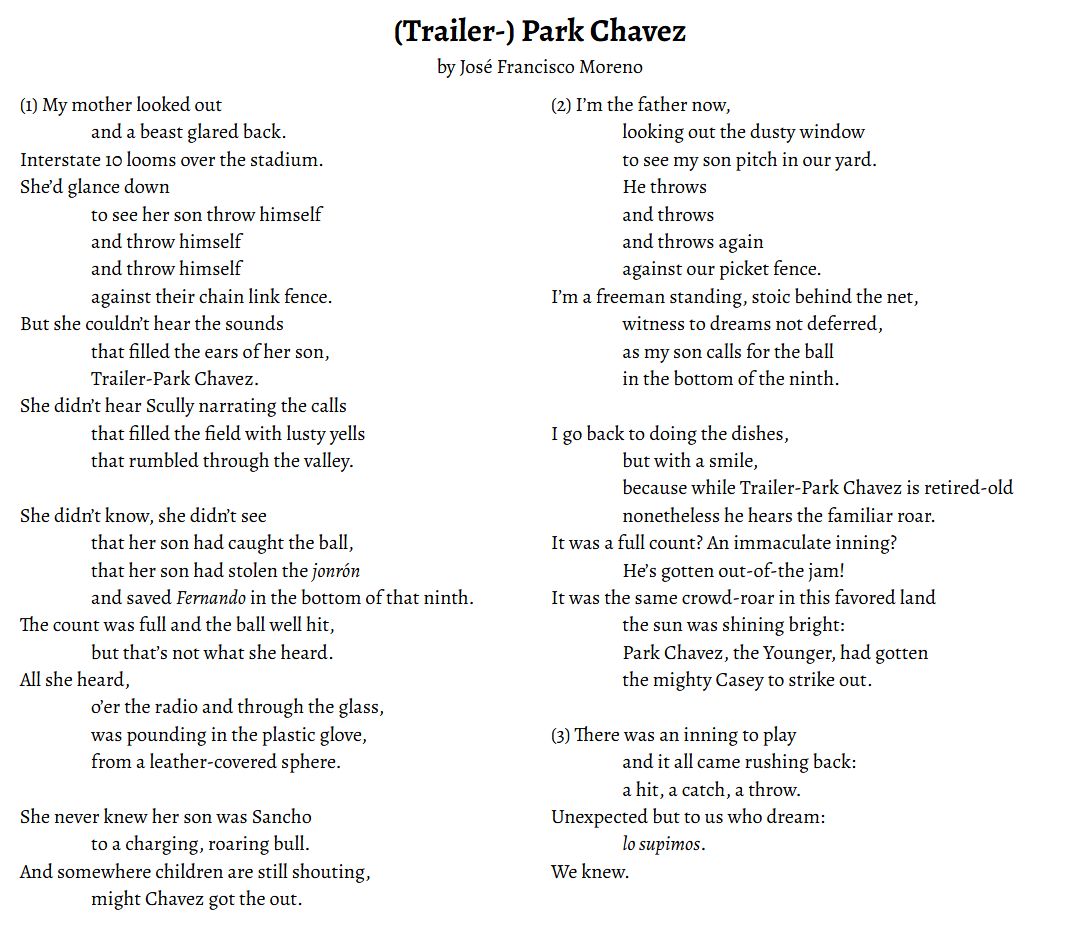
I won a poetry competition!
🥳
The competition was organized by Get Lit Words Ignite for students and teachers in Los Angeles County. They organized and performed a musical & spoken word album about the city. Poems were written, performed, recorded, and shared. Those poems were then at the heart of the poetry competition. Students were encouraged to participate, and very surprisingly, teachers too! Ten students were selected to win prizes. And ten teachers too!
caption: the ten teachers and ten students and more . . .
I decided to sign up and submitted a poem.
In late December we heard back from the competition. I shared the news with my students and they were very happy for me.
caption: Moreno and his award
It’s pretty amazing to think that someone read something you wrote and judged it more than adequate. I’ve been blessed with a lifetime of poetry and literature on my bookshelves. Like all readers (and writers), if only I had more time to read (and write)!
Nancie Atwell, who wrote about students in the middle school grades, inspired me to root my language instruction in poetry. “It’s the dessert of the literary feast.” As I moved away from teaching English Language Arts and more towards Spanish, its role in my classrooms was reduced. But we still read, recite, memorize, and enjoy poetry. And with this award, I’m even more encouraged to continue to use it.
- – - this blog is signed by me, an award-winning poet 😉
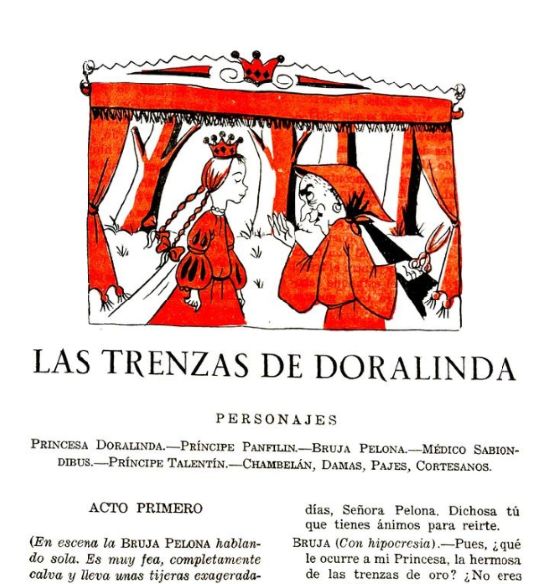
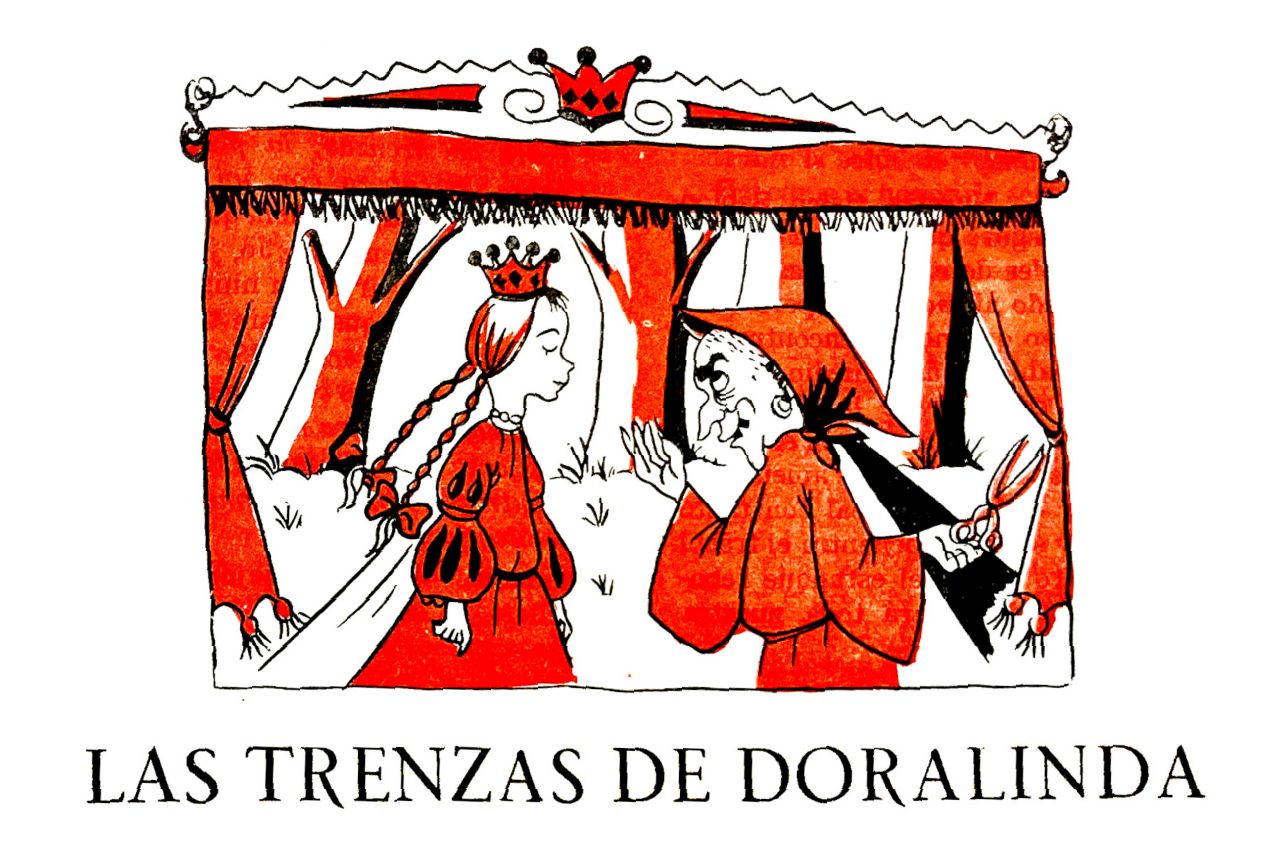
Today I’m sharing a moralistic fairy tale from from Teatro infantil (1960): a short play called “Las trenzas de Doralinda”, originally published for schoolgirls in Spain.
Characters:
Princesa Doralinda, kind and selfless
Príncipe Panfilín, her sick (depressed?) brother
Bruja Pelona, jealous and bald
Médico Sabiondibús, court physician
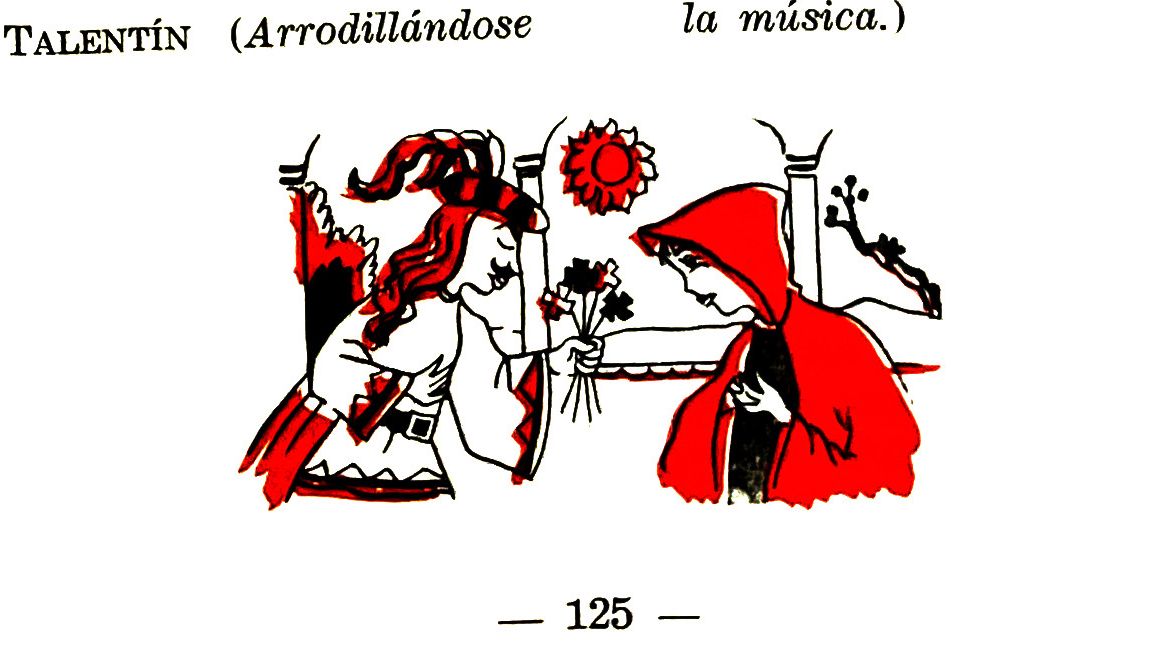
Príncipe Talentín, of course he saves the day with four-leaf-clovers
Chambelán, Damas, Pajes, Cortesanos
Plot:
Princess Doralinda is famous for her long golden braids and for how much she loves her sick brother. When a jealous witch appears, she tricks Doralinda into cutting off her hair by promising it will heal him. Doralinda gives up her beauty/hair without hesitation.
In the end, the story shows that real goodness comes from love and sacrifice—not from nice hair.
You’re going to see a common thread as I start to post these for educational purposes. They’re short, authentically Spanish-language. They have simple vocabulary, but it’s culturally rich.
imagen caption: classica yuxtaposición de lo bello y lo feo
image caption: Principe Panflilin llora mucho, está depri
imagen caption: Príncipe Talentín llega con los tréboles
Duties are Smaug, keeping this textual treasure
hidden, stored, unshared.
It’s Durin Day for this word-hoard.
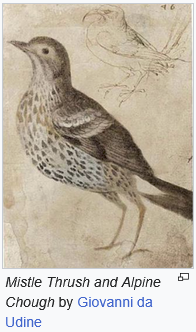
At that very moment he heard a sharp crack behind him. There on the grey stone in the grass was an enormous thrush, nearly coal black, its pale yellow breast freckled with dark spots. Crack! It had caught a snail and was knocking it on the stone. Crack! Crack!
Poems will be shared from two Spanish-language anthologies.
(1) Poesía española para niños
- editada por Ana Pelegrín
(2) La luciérnaga: antología para niños de la poesía Mexicana contemporánea (1991)
- editada por Francisco Serrano
- ilustrada por Alberto Blanco